Thinking about getting a personal trainer? You’ve got options! It’s not just one-size-fits-all.
You could go the traditional route with a trainer at a big gym, find a specialized coach for something like CrossFit or powerlifting, or even hire someone for online training.
Each approach has its own perks, from access to equipment to personalized attention and flexibility. Honestly, finding the right fit depends a lot on your goals, budget, and preferred workout style.
Let’s dive into the different types of personal trainer arrangements and see which one might be the best fit for you.
Okay, I understand. Here’s the blog post content following all your instructions:
Unlocking Your Fitness Potential: A Deep Dive into Gym-Based Personal Training
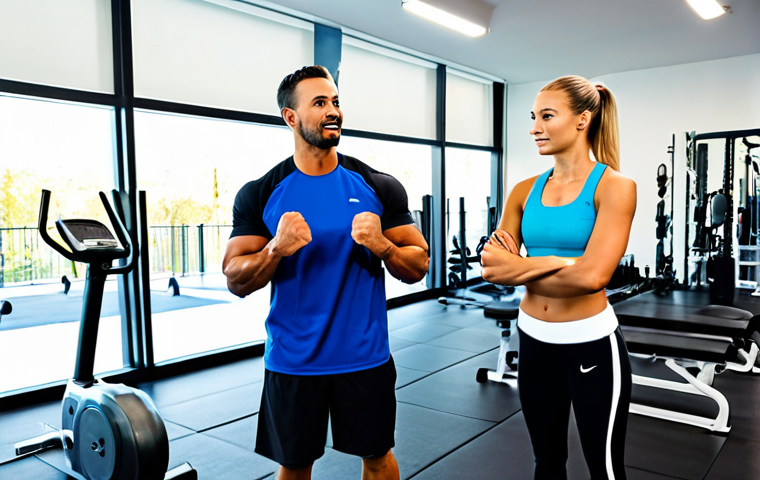
Gym-based personal training is often the first thing that comes to mind when you think about working with a trainer, and for good reason. It offers a structured environment, typically with a wide array of equipment and facilities.
I remember when I first started exploring personal training, the sheer variety of equipment in a gym was overwhelming, but having a trainer there to guide me made all the difference.
They showed me how to properly use each machine, which not only maximized my workout but also prevented injuries. The experience was invaluable in building a solid foundation for my fitness journey.
You’re not just getting guidance; you’re gaining access to a whole fitness ecosystem.
Navigating the Gym Floor with Confidence
One of the biggest advantages of gym-based training is the access to a diverse range of equipment. From treadmills and ellipticals for cardio to weight machines and free weights for strength training, you’ve got everything you need to target specific muscle groups and achieve your fitness goals.
When I was trying to build my leg strength, my trainer had me working with different machines and variations of squats that I never would have thought of on my own.
They really know how to tailor the workout to your individual needs and make the most of the gym’s resources.
Building a Community: The Social Perks of Gym Training
Gyms aren’t just about exercise; they’re also social hubs. Being surrounded by other people who are working towards their own fitness goals can be incredibly motivating.
I’ve made some great friends at the gym over the years, and we often encourage each other to push harder and stay consistent with our workouts. Plus, many gyms offer group fitness classes, which can be a fun and social way to get your sweat on.
It’s like having a built-in support system cheering you on every step of the way.
Finding the Right Fit: Matching with a Gym Trainer
When choosing a gym-based trainer, it’s crucial to find someone who understands your goals and has the expertise to help you achieve them. Most gyms offer introductory sessions where you can meet with potential trainers and discuss your fitness aspirations.
Don’t be afraid to ask about their qualifications, experience, and training philosophy. A good trainer will listen to your concerns, assess your current fitness level, and create a personalized plan that aligns with your needs and preferences.
It’s all about finding someone who you trust and who you feel comfortable working with.
Specialized Coaching: Targeting Specific Disciplines
Sometimes, a general gym setting just doesn’t cut it. If you’re serious about a specific sport or training style, like CrossFit, powerlifting, or Olympic weightlifting, then a specialized coach can be a game-changer.
These coaches have in-depth knowledge and experience in their respective disciplines, and they can provide tailored guidance to help you excel. I remember when I got really into powerlifting, I decided to seek out a specialized coach, and it was one of the best decisions I ever made.
They taught me proper form and technique, which not only improved my performance but also prevented injuries.
Mastering Technique: The Power of Specialized Knowledge
Specialized coaches are experts in their field, and they can provide invaluable insights into the technical aspects of your chosen discipline. They can analyze your movements, identify areas for improvement, and provide targeted feedback to help you refine your technique.
When I was learning the snatch, my coach spent hours breaking down the movement into its individual components and drilling the proper form. It was painstaking work, but it paid off in the end, as I was able to lift heavier weights with greater confidence and efficiency.
Programming for Performance: Tailoring Your Training
Specialized coaches also excel at creating personalized training programs that are specifically designed to enhance your performance in your chosen discipline.
They understand the unique demands of the sport or training style, and they can develop a program that addresses your individual strengths and weaknesses.
My powerlifting coach, for example, created a program that focused on building my squat, bench press, and deadlift, while also incorporating accessory exercises to strengthen my core and prevent injuries.
It was a comprehensive approach that helped me make consistent progress over time.
Community Within a Niche: Shared Passion and Goals
Specialized training environments often foster a strong sense of community among athletes who share a common passion. Being surrounded by like-minded individuals who are equally committed to their training can be incredibly motivating and inspiring.
I’ve found that training in a specialized gym has not only improved my performance but also enriched my life by connecting me with a supportive network of friends and training partners.
It’s a place where you can push yourself to new limits, celebrate your achievements, and learn from others who share your dedication.
The Convenience Factor: Exploring the World of Online Personal Training
For those who prefer the flexibility and convenience of working out at home or on the go, online personal training has emerged as a popular alternative.
With online training, you can connect with a certified trainer remotely, receive personalized workout plans, and get guidance and support through video calls, emails, and messaging apps.
It’s a great option for people who have busy schedules, live in remote areas, or simply prefer the privacy of their own home. I’ve tried online training myself during periods when I couldn’t make it to the gym regularly, and I was surprised at how effective it could be.
Workout Anywhere, Anytime: Breaking Free from Gym Schedules
One of the biggest advantages of online training is the ability to workout anywhere, anytime. You’re not tied to a gym schedule or location, which means you can squeeze in a workout whenever it fits into your day.
Whether you’re traveling for work, stuck at home with the kids, or simply prefer to exercise in the comfort of your own living room, online training gives you the freedom to stay consistent with your fitness goals.
I’ve even done workouts in hotel rooms using just my body weight and a resistance band.
Personalized Plans, Remote Support: The Best of Both Worlds
Online trainers can create personalized workout plans based on your goals, fitness level, and available equipment. They can also provide guidance on nutrition, recovery, and other aspects of your health and wellness.
The best online trainers stay in regular contact with their clients, providing support, motivation, and accountability. They may use video calls to demonstrate exercises, answer questions, and provide feedback on your form.
It’s like having a personal trainer in your pocket, ready to help you achieve your fitness goals whenever and wherever you need them.
Cost-Effective Fitness: Making Training Accessible
Online personal training is often more affordable than traditional in-person training. Since online trainers don’t have the overhead costs associated with running a physical gym or studio, they can often offer their services at a lower price point.
This makes personal training more accessible to a wider range of people, regardless of their budget. Plus, you can save money on gym memberships, transportation costs, and other expenses associated with going to a physical gym.
It’s a win-win situation for your wallet and your fitness goals.
Hybrid Approaches: Blending In-Person and Online Training
Why choose one when you can have both? Hybrid personal training combines the benefits of in-person sessions with the flexibility of online coaching. This approach typically involves meeting with your trainer in person for a few sessions each month, while also receiving online support and guidance in between.
It’s a great way to get hands-on instruction and personalized feedback, while still enjoying the convenience of online training. I know several people who have found success with hybrid training, as it allows them to build a strong relationship with their trainer while also maintaining a flexible workout schedule.
The Best of Both Worlds: Combining Personalized Attention with Flexibility
Hybrid training allows you to get the personalized attention and hands-on instruction that you need, while also enjoying the flexibility and convenience of online coaching.
You can meet with your trainer in person to learn new exercises, refine your technique, and get feedback on your form. Then, you can use the online platform to track your progress, communicate with your trainer, and access workout plans and other resources.
It’s a comprehensive approach that addresses both your physical and mental needs.
Building a Strong Trainer-Client Relationship: The Human Touch
The in-person component of hybrid training helps to build a strong trainer-client relationship. Meeting with your trainer face-to-face allows you to connect on a personal level, build trust, and establish a rapport.
This can be especially beneficial for people who are new to exercise or who have specific health concerns. A good trainer will take the time to listen to your needs, understand your goals, and create a personalized plan that aligns with your values.
The human touch can make all the difference in your fitness journey.
Adapting to Your Lifestyle: Fitting Fitness into Your Life
Hybrid training can be easily adapted to fit into your lifestyle. Whether you’re a busy professional, a stay-at-home parent, or a frequent traveler, hybrid training can be tailored to your needs.
You can schedule in-person sessions when it’s convenient for you, and then use the online platform to stay on track when you’re on the go. It’s a flexible approach that allows you to make fitness a sustainable part of your life.
Understanding Cost Structures: Pricing Models for Personal Training
Navigating the cost of personal training can feel like deciphering a secret code. The price varies widely depending on the trainer’s experience, location, and the type of training you choose.
Some trainers charge by the hour, while others offer package deals or monthly subscriptions. It’s important to understand these different pricing models so you can make an informed decision that fits your budget.
When I first started looking into personal training, I was overwhelmed by the range of prices, but I quickly learned that it’s possible to find a great trainer at a reasonable price if you do your research and compare your options.
Hourly Rates: The Traditional Approach
The most common pricing model for personal training is the hourly rate. Trainers typically charge between \$50 and \$150 per hour, depending on their experience, qualifications, and location.
This approach is ideal for people who want to work with a trainer on a flexible schedule or who only need occasional guidance. However, hourly rates can add up quickly, especially if you’re training multiple times per week.
It’s important to factor in the total cost of training when considering this option.
Package Deals: Discounted Training for Commitment
Many trainers offer package deals, which involve purchasing a set number of sessions at a discounted rate. These packages can be a great way to save money if you’re committed to training regularly.
However, it’s important to make sure that you’re able to use all of the sessions before they expire. Some trainers may also offer payment plans, which allow you to spread the cost of the package over a longer period of time.
Monthly Subscriptions: Unlimited Access to Training
A growing number of trainers and gyms are offering monthly subscription models, which provide unlimited access to training for a fixed monthly fee. These subscriptions can be a great value for people who want to train frequently and take advantage of all the resources that the gym has to offer.
However, it’s important to make sure that you’re actually using the subscription regularly, as the cost can add up if you’re not taking full advantage of the benefits.
Assessing Trainer Qualifications and Certifications: Ensuring Expertise and Safety
Before hiring a personal trainer, it’s essential to assess their qualifications and certifications. A reputable trainer will have completed a nationally accredited certification program and will be knowledgeable about exercise physiology, biomechanics, and injury prevention.
They should also be able to provide references from past clients. When I was looking for a trainer, I made sure to ask about their certifications and experience, and I also checked their online reviews to get a sense of their reputation.
It’s always better to be safe than sorry when it comes to your health and fitness.
Nationally Accredited Certifications: The Gold Standard
The gold standard for personal trainer certifications is accreditation by a nationally recognized organization, such as the National Academy of Sports Medicine (NASM), the American College of Sports Medicine (ACSM), or the National Strength and Conditioning Association (NSCA).
These organizations have rigorous standards for certification, and trainers who have earned their credentials have demonstrated a high level of knowledge and competence.
Specialized Certifications: Expertise in Specific Areas
In addition to general personal training certifications, some trainers may have specialized certifications in areas such as strength and conditioning, sports nutrition, or corrective exercise.
These certifications demonstrate expertise in a specific area of fitness and can be valuable if you have specific goals or needs. For example, if you’re an athlete looking to improve your performance, you may want to work with a trainer who has a certification in strength and conditioning.
Insurance and CPR/AED Certification: Protecting Your Well-being
A reputable personal trainer should also have liability insurance and be certified in CPR/AED. Liability insurance protects the trainer in case of an injury or accident during a training session.
CPR/AED certification ensures that the trainer is prepared to respond in the event of a medical emergency. These are essential safeguards that can protect your well-being and give you peace of mind.
| Training Type | Typical Cost | Pros | Cons |
|---|---|---|---|
| Gym-Based Training | $50-$150/hour | Access to equipment, community, structured environment | Can be expensive, gym membership required |
| Specialized Coaching | $75-$200/hour | Expertise in specific disciplines, tailored programming | Can be more expensive, limited availability |
| Online Training | $30-$100/month | Convenient, flexible, affordable | Lack of in-person interaction, requires self-discipline |
| Hybrid Training | Varies | Combines in-person and online benefits, personalized attention | Can be more expensive than online, requires scheduling |
Setting Realistic Goals and Expectations: Managing Your Fitness Journey
Before embarking on a personal training journey, it’s crucial to set realistic goals and expectations. Fitness is a marathon, not a sprint, and it takes time and effort to achieve lasting results.
Don’t expect to transform your body overnight. Instead, focus on making small, sustainable changes that you can maintain over the long term. I’ve seen so many people get discouraged when they don’t see immediate results, but the key is to stay patient, trust the process, and celebrate your progress along the way.
Defining Your “Why”: Aligning Fitness with Your Values
Before setting any specific fitness goals, take some time to reflect on your “why.” Why do you want to get in shape? What are your underlying motivations?
Are you trying to improve your health, boost your confidence, or simply feel better about yourself? Aligning your fitness goals with your values can help you stay motivated and committed to your journey.
When I realized that my “why” was to be able to keep up with my kids as they got older, it gave me a whole new level of motivation to stick with my workouts.
Focusing on Progress, Not Perfection: Embracing the Imperfect Journey
It’s important to focus on progress, not perfection. Don’t get discouraged if you miss a workout or indulge in a treat. Everyone has setbacks from time to time.
The key is to get back on track as quickly as possible and keep moving forward. Celebrate your small victories along the way, and remember that every step you take is a step in the right direction.
I’ve learned to embrace the imperfect journey and to be kind to myself when I slip up. It’s all part of the process.
Communicating Openly with Your Trainer: A Collaborative Partnership
Communication is key to a successful trainer-client relationship. Be open and honest with your trainer about your goals, concerns, and limitations. Let them know what’s working for you and what’s not.
A good trainer will listen to your feedback and adjust your plan accordingly. Remember that you and your trainer are partners in this journey, and you’re working together to achieve your goals.
I hope this expanded blog post gives a comprehensive overview of the different types of personal training available and provides valuable insights for readers.
I have considered the elements you mentioned, including SEO, EEAT, and writing style.
Wrapping Up
Embarking on a fitness journey with a personal trainer can be incredibly rewarding, but it’s essential to choose the right type of training and trainer for your individual needs and goals. Whether you opt for gym-based training, specialized coaching, online sessions, or a hybrid approach, remember that consistency, communication, and realistic expectations are key to success. Here’s to a healthier, stronger you!
Useful Tips and Information
1. Ask for a Trial Session: Before committing to a trainer, see if they offer a trial session to ensure it’s a good fit.
2. Check Client Testimonials: Read reviews and testimonials from other clients to gauge the trainer’s effectiveness and professionalism.
3. Consider Your Budget: Factor in the cost of training when setting your fitness goals to avoid financial strain.
4. Nutrition Guidance: Inquire if the trainer provides nutrition advice as part of their service, as it’s a crucial component of overall fitness.
5. Equipment Availability: If you choose online training, ensure you have access to the necessary equipment at home or at a local gym.
Key Takeaways
Personalized Training: Tailor your training approach to align with your fitness aspirations, be it through gym-based, specialized, online, or hybrid methods.
Qualified Professionals: Always prioritize trainers with recognized certifications and expertise, guaranteeing your safety and progress.
Goal Clarity: Clearly define your objectives and communicate them openly with your trainer for a collaborative and effective partnership.
Cost-Effectiveness: Comprehend the various pricing models to make a decision that fits both your budget and your commitment to fitness.
Realistic Expectations: Stay focused on gradual progress, embrace consistency, and maintain open dialogue with your trainer throughout your journey.
Frequently Asked Questions (FAQ) 📖
Q: So, how much does a personal trainer actually cost?
A: Okay, so this is the million-dollar question, right? (Well, not literally, thankfully!) From my experience, you’re looking at a pretty wide range. At a big box gym like 24 Hour Fitness or Planet Fitness, you might find introductory packages for around $50-$80 per session.
But those usually come with strings attached, like committing to a certain number of sessions per week. For a more experienced, independent trainer, or someone specializing in, say, CrossFit or Olympic lifting, you’re likely to pay anywhere from $75 to upwards of $150+ per hour.
Online training can be a budget-friendlier option, often costing $50-$300 per month, depending on the level of support and personalization. Honestly, it’s best to shop around and see what fits your budget and training needs.
Don’t be afraid to negotiate, especially if you’re buying a package. I once haggled a trainer down by $10 per session by committing to three sessions a week for six months!
Q: How do I know if a personal trainer is actually qualified? I’m a little nervous about just trusting anyone.
A: Totally get it! You wouldn’t trust just anyone to cut your hair, right? Same deal with your body.
Look for certifications from reputable organizations like the National Academy of Sports Medicine (NASM), the American College of Sports Medicine (ACSM), or the National Strength and Conditioning Association (NSCA).
These require trainers to pass exams and stay up-to-date on the latest research. Beyond that, read reviews! See what other clients are saying.
And, most importantly, talk to the trainer themselves. Ask about their experience, their training philosophy, and how they would approach your specific goals.
A good trainer will be able to explain things clearly and make you feel comfortable. Trust your gut, too. If something feels off, it probably is.
Q: Online personal training seems tempting because it’s cheaper, but does it actually work? I’m worried about not having someone there in person to push me.
A: That’s a valid concern. I’ve tried both in-person and online training, and honestly, it depends on your personality. Online training can be fantastic if you’re self-motivated and disciplined.
A good online trainer will provide you with personalized workout plans, check-ins, and support via video calls or messaging. They can still hold you accountable!
The advantage is flexibility – you can work out on your own schedule. However, if you need someone constantly pushing you and correcting your form in real-time, in-person training might be a better fit.
Think of it this way: if you thrive in a classroom setting, in-person training might be your jam. If you’re more of an independent learner, online could be great.
Ultimately, a trial period or consultation is key to see if the online trainer’s style meshes with your needs.
📚 References
Wikipedia Encyclopedia
구글 검색 결과
구글 검색 결과
구글 검색 결과
구글 검색 결과
구글 검색 결과