Hey fitness fanatics and aspiring health gurus! Have you ever found yourself scrolling through endless job postings, dreaming of a career where you inspire others to move their bodies, but then hit a wall when it comes to certifications?
It’s a common dilemma, trust me! You see “Personal Trainer” everywhere, then “Pilates Instructor” pops up, and suddenly you’re wondering if they’re basically the same thing or if there’s a huge difference.
I know I’ve been there, helping friends navigate this exact choice, and it’s a big one that shapes your entire professional journey in the wellness world.
It’s not just about what sounds good; it’s about understanding the core philosophies, the client base you’ll attract, and the everyday reality of each role in today’s dynamic fitness landscape.
With the wellness industry booming and people seeking more personalized approaches to health, understanding the nuances between these two popular paths is more critical than ever.
We’re talking about investing your time, money, and passion into building a rewarding career, so getting it right from the start is absolutely essential.
Let’s delve deep and uncover the precise distinctions between becoming a certified personal trainer and a certified Pilates instructor.
The Foundational Philosophies: What Drives Each Discipline?
The Personal Trainer’s Broad Spectrum
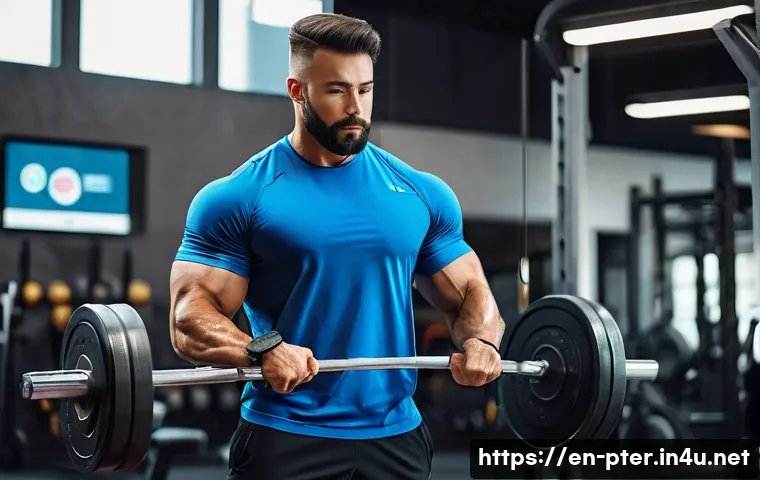
When I first started diving into the fitness world, I quickly realized that personal training is like a vast ocean with so many currents flowing through it.
It’s all about helping individuals achieve their specific fitness goals, whatever they might be. This could range from shedding a few pounds to preparing for a marathon, or even just building enough strength to comfortably carry groceries up a flight of stairs.
My friends often come to me, asking, “Should I get a personal trainer?” and I always tell them it depends on their specific aims. A personal trainer’s approach is incredibly versatile, focusing on general fitness principles that encompass strength training, cardiovascular conditioning, flexibility, and sometimes even nutritional guidance.
We’re talking about functional movements, progressive overload, and periodization – terms that might sound intimidating but are essentially the building blocks for any effective workout plan.
It’s about tailoring a program that evolves with the client, constantly pushing them safely past their comfort zones to see real, tangible results. I’ve personally found that the joy of seeing someone go from struggling with a push-up to performing sets effortlessly is incredibly rewarding, and it truly highlights the impact of a well-designed, individualized plan.
Pilates: Core, Control, and Connection
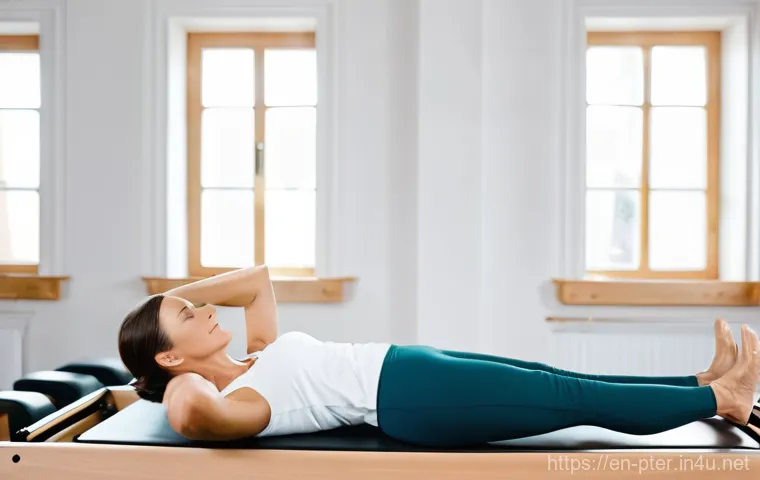
Now, Pilates, that’s a whole different beast, but in the most graceful and powerful way. When I tried my first Pilates class years ago, I was shocked at how challenging it was, despite appearing so controlled and deliberate.
The philosophy behind Pilates, founded by Joseph Pilates, is deeply rooted in enhancing core strength, flexibility, balance, and overall body awareness.
It emphasizes precision, control, concentration, flow, centering, and breath – often called the six principles of Pilates. Unlike personal training which can be quite diverse in its modalities, Pilates has a very specific methodology, often focusing on subtle, yet incredibly effective movements that engage deep stabilizing muscles.
It’s not about lifting the heaviest weight or running the fastest mile; it’s about mastering movement from your powerhouse, your core. I’ve heard countless clients rave about how Pilates has transformed their posture, alleviated chronic back pain, and even improved their performance in other sports.
It’s an exercise method that truly connects the mind and body, requiring immense focus and intention with every single movement.
Client Demographics and Their Aspirations: Who Will You Guide?
Tailoring Programs for Diverse Fitness Levels
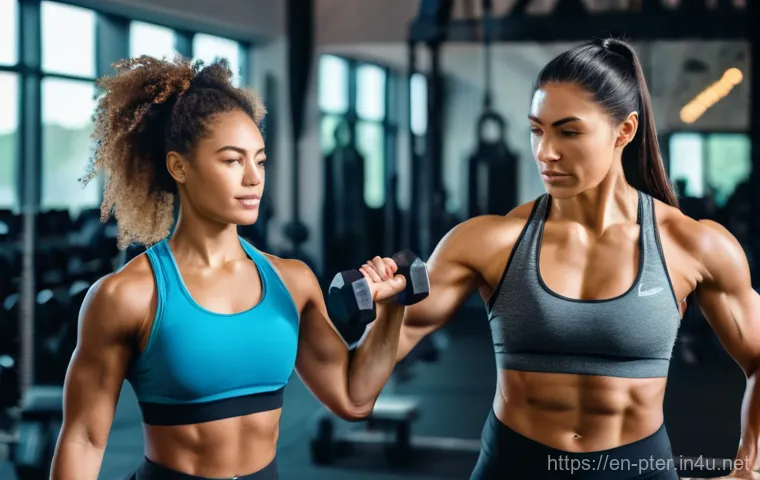
Working as a personal trainer, you truly meet people from all walks of life. I’ve trained everyone from high school athletes aiming for peak performance to busy executives needing to de-stress, and even seniors looking to maintain their independence and mobility.
The beauty of personal training is its adaptability. You become a detective of sorts, uncovering their goals, assessing their current fitness levels, and then crafting a unique plan.
A common scenario I encounter is someone new to exercise, feeling overwhelmed by the gym environment. My role then isn’t just about showing them how to use a machine; it’s about building their confidence, teaching them proper form to prevent injury, and celebrating every small victory.
On the other hand, I might work with someone who’s already quite fit but has hit a plateau, requiring a more advanced, nuanced approach to their training.
It’s a dynamic role where your problem-solving skills and empathy are just as important as your knowledge of anatomy and exercise science.
Pilates for Rehabilitation, Posture, and Grace
Pilates, on the other hand, often attracts a slightly different demographic, though there’s certainly overlap. Many of my friends who are Pilates instructors find themselves working with individuals seeking rehabilitation after injury, those with chronic pain, or people simply wanting to improve their posture and body alignment.
Think about it: our modern lifestyles often lead to slumped shoulders and weak cores. Pilates specifically targets these issues, strengthening the deep abdominal muscles and improving spinal articulation.
I’ve personally seen incredible transformations in clients who, after months of consistent Pilates practice, stand taller, move with more grace, and experience significantly less discomfort.
It’s also incredibly popular among dancers, athletes looking for injury prevention and enhanced performance, and pregnant or postpartum individuals seeking safe and effective ways to strengthen their bodies.
The focus is less on sheer muscle mass and more on creating a balanced, resilient, and efficiently moving body.
The Certification Deep Dive: Your Educational Roadmap
Navigating Personal Training Credentials
Alright, let’s talk about getting legit. When you’re looking into becoming a personal trainer, it can feel like a jungle out there with so many different organizations offering certifications.
Trust me, I’ve navigated that labyrinth! The most respected and widely recognized certifications in the U.S. generally come from organizations accredited by the National Commission for Certifying Agencies (NCCA), such as the American College of Sports Medicine (ACSM), the National Academy of Sports Medicine (NASM), the American Council on Exercise (ACE), and the National Strength and Conditioning Association (NSCA).
These programs typically cover a broad range of topics including anatomy, physiology, exercise science, program design, client assessment, and nutrition basics.
The study materials often include textbooks, online lectures, and practice exams, and then you sit for a comprehensive proctored exam. It’s a significant investment in time and money, usually taking anywhere from a few months to a year depending on your study pace.
My advice to anyone considering it is to thoroughly research each program, check their accreditation, and speak to certified trainers about their experiences to find the best fit for your learning style and career aspirations.
Understanding Pilates Mat vs. Apparatus Certifications
For Pilates, the certification landscape is also quite robust, but with a different structure. Unlike personal training, which is more general, Pilates certifications are often broken down by modality: Mat Pilates and Apparatus Pilates (Reformer, Cadillac, Chairs, Barrels, etc.).
Many reputable programs, like those from Balanced Body, STOTT PILATES, Polestar Pilates, and BASI Pilates, offer comprehensive certifications that cover both mat and apparatus, often in modular formats.
This means you might start with Mat 1, then progress to Reformer 1, and so on. The training is highly hands-on, involving extensive hours of observation, practice teaching, and personal practice, in addition to coursework.
I’ve known instructors who spent well over a year, accumulating hundreds of hours, to achieve their full comprehensive certification. The initial entry point for many is a Mat Pilates certification, which allows you to teach classes using just a mat, but to really expand your clientele and expertise, an apparatus certification is almost essential.
The depth of anatomical knowledge and understanding of movement patterns required for Pilates can be intense, but it makes you a truly masterful movement specialist.
Unpacking the “Toolbox”: Equipment and Exercise Modalities
The Personal Trainer’s Versatile Arsenal
One of the things I love about personal training is the sheer variety of tools at your disposal. A personal trainer’s “toolbox” is incredibly diverse, allowing for immense creativity in programming.
We’re talking about everything from free weights – dumbbells, barbells, kettlebells – to resistance bands, medicine balls, stability balls, battle ropes, and a myriad of machines found in a typical gym.
If you’re working with a client in their home, you might only have bodyweight exercises and a few bands, which truly challenges your ingenuity to create effective workouts without fancy equipment.
I’ve personally led outdoor boot camps using park benches and hills as our primary equipment, proving that you don’t always need a state-of-the-art facility to get results.
The key is understanding how to utilize each piece of equipment to target specific muscle groups, modify exercises for different fitness levels, and keep workouts engaging and progressive.
This versatility is what allows personal trainers to adapt to almost any client or environment.
The Intricate World of Pilates Apparatus
Now, when you step into a dedicated Pilates studio, it’s like entering a beautifully engineered world of movement. The equipment, designed by Joseph Pilates himself, is iconic and incredibly sophisticated.
The most famous, of course, is the Reformer, with its sliding carriage, springs, and straps, which can provide both resistance and assistance. Then there’s the Cadillac (or Trapeze Table), the Wunda Chair, the Ladder Barrel, and various smaller props like magic circles, resistance bands, and small balls.
Each piece of apparatus is designed to challenge the body in unique ways, often using spring resistance to create eccentric loading and assist in proper alignment.
I remember my first time on a Reformer, feeling muscles I never knew I had! The beauty of Pilates apparatus is how it allows for modifications for almost anyone, from those recovering from injury to elite athletes.
An instructor needs to have an intimate understanding of how each spring setting, strap adjustment, and body position affects the exercise, making it more challenging or supportive.
It truly is a specialized skill set.
| Feature | Personal Trainer | Pilates Instructor |
|---|---|---|
| Core Philosophy | Broad fitness goals, strength, cardio, flexibility, performance. | Core strength, flexibility, balance, posture, mind-body connection. |
| Client Focus | Diverse, from beginners to athletes, weight loss, muscle gain. | Rehabilitation, posture correction, core stability, injury prevention, dance, pre/post-natal. |
| Primary Modalities | Free weights, machines, resistance bands, cardio equipment, bodyweight. | Mat work, specialized apparatus (Reformer, Cadillac, Chair, Barrel), spring resistance. |
| Certification Style | NCCA-accredited organizations (NASM, ACE, ACSM); comprehensive exams. | Modular programs (Mat, Apparatus); extensive practical hours, specific schools (STOTT, Balanced Body). |
| Typical Session | High-intensity intervals, circuit training, progressive overload. | Controlled, precise movements, focus on breath, alignment, and core engagement. |
From Session to Success: A Glimpse into the Instructor’s Day
Personal Training: Dynamic and Goal-Oriented
My typical day as a personal trainer is rarely the same, and that’s part of what keeps it so exciting. One hour, I might be helping a client perfect their squat form, focusing on depth and activation.
The next, I could be guiding someone through a high-intensity interval training session designed to boost their cardiovascular endurance. The energy in a personal training session is often quite high, driven by the client’s immediate goals and my role in motivating them to push through challenges.
We’re constantly adapting, responding to how a client feels on a given day, and adjusting the workout on the fly. I’ve found that being able to think on your feet, provide clear cues, and keep the atmosphere positive and encouraging are crucial.
It’s not just about the exercises; it’s about building a relationship, understanding their motivations, and being their unwavering cheerleader. Seeing a client’s face light up when they lift heavier than ever before or complete a challenging set they thought impossible?
That’s pure gold, and it makes all the planning and hard work worth it.
Pilates Instruction: Precision and Mind-Body Focus
On the flip side, a Pilates session, whether on the mat or apparatus, has a distinctly different rhythm. It’s much more about precision, control, and that deep mind-body connection.
As an instructor, you’re constantly cueing clients to engage specific muscles, maintain alignment, and breathe effectively. The pace is often slower and more deliberate than in many personal training sessions, allowing for a deeper exploration of each movement.
I’ve observed my Pilates instructor friends meticulously guiding clients through exercises like the “hundred” on the Reformer, emphasizing the smallest adjustments to technique.
They’re masters of observation, spotting tiny imbalances or compensations and providing hands-on adjustments or verbal cues to correct them. It’s a very intentional and focused environment, requiring incredible concentration from both the instructor and the client.
The reward comes from witnessing clients gain a profound awareness of their bodies, moving with newfound control and fluidity, which often translates into better posture and less pain in their daily lives.
Unlocking Your Earning Potential and Career Pathways
Diverse Income Streams for Personal Trainers
Let’s be real, we all want a career that not only fulfills us but also pays the bills comfortably. As a personal trainer, your earning potential can be incredibly diverse.
Many trainers start out employed by commercial gyms, earning an hourly rate per session. As you gain experience and build your client base, you can often transition to independent contracting, where you rent space or even train clients in their homes or outdoor settings, allowing for a higher per-session rate.
I’ve seen trainers specialize in niches like corrective exercise, athletic performance, or pre/post-natal fitness, which can command premium pricing. Online coaching has also exploded, opening up global opportunities to create passive income through digital programs, e-books, and virtual training sessions.
Some trainers even combine their passion with entrepreneurial ventures, opening their own studios or creating fitness apparel lines. The ceiling is truly as high as your ambition and willingness to diversify your offerings.
Specializing and Growing in Pilates
Pilates instructors also have fantastic career opportunities, often with a strong emphasis on specialization. Initially, many instructors find employment teaching group mat classes at gyms or studios.
As you get apparatus certified, the demand for private and semi-private sessions on the Reformer and other equipment grows significantly, and these sessions generally command a higher price point.
Many Pilates instructors build loyal client bases through specialized offerings, such as prenatal Pilates, Pilates for scoliosis, or athletic conditioning Pilates.
The industry also offers pathways into studio ownership, becoming a lead instructor, or even a teacher trainer for certification programs. I know a few instructors who have successfully merged their Pilates expertise with other modalities, like physical therapy or massage, creating a holistic wellness practice.
While the initial investment in comprehensive Pilates certification can be substantial due to the extensive hours, the long-term career stability and potential for high-value client relationships are definitely there.
Crafting Your Unique Brand: Blending Passions for Impact
Why Not Both? The Hybrid Advantage
Here’s a little secret I’ve learned over the years: you don’t always have to pick just one path! While this post is all about distinguishing between personal training and Pilates instruction, combining both certifications can be an absolute game-changer for your career.
I’ve seen some incredibly successful fitness professionals who are certified in both, offering clients a truly comprehensive approach to their wellness.
Imagine being able to provide a client with intense strength training sessions, and then incorporate Pilates-based exercises to improve their core stability and flexibility, preventing injuries and enhancing performance.
It’s like having a superpower that allows you to address every aspect of a client’s physical needs. This hybrid approach allows for broader client appeal, deeper expertise, and a truly unique selling proposition in a crowded market.
Plus, it keeps your work fresh and exciting, allowing you to continually learn and apply diverse methodologies.
Finding Your True Calling in the Wellness World
Ultimately, the choice between becoming a certified personal trainer or a certified Pilates instructor, or even pursuing both, comes down to your personal passion, the type of clients you’re most excited to work with, and the kind of impact you want to make.
Do you thrive on pushing clients to their physical limits, helping them achieve strength and endurance milestones? Or are you drawn to the meticulous art of movement, guiding individuals toward greater body awareness and graceful control?
I’ve found that the most successful professionals in this industry are those who are genuinely passionate about what they do. Take your time, do your research, maybe even try out some classes or shadow a few instructors in both fields.
Listen to your gut, because when you find that sweet spot where your passion meets purpose, that’s where you’ll not only build a thriving career but also profoundly change lives, one movement at a time.
Wrapping Things Up
Well, what a journey we’ve had exploring the vibrant worlds of personal training and Pilates instruction! It’s clear that both paths offer incredible opportunities to impact lives through movement, each with its unique philosophy and approach. As someone who’s been deeply immersed in the fitness industry, I’ve seen firsthand the power of both disciplines to transform bodies and minds. Ultimately, your choice will likely hinge on where your passion truly lies and the kind of connections you want to forge with your clients. Whether you’re drawn to the dynamic energy of a gym floor or the precise, mindful movements of a Pilates studio, remember that dedication, continuous learning, and a genuine desire to help others are your most powerful tools.
I’ve personally found immense satisfaction in understanding these different modalities, and for many, the beauty lies in not having to choose at all! Combining the broad spectrum of personal training with the focused precision of Pilates can create an incredibly holistic and effective offering for your clients, truly setting you apart. It’s about building a career that not only fulfills your professional aspirations but also resonates with your personal values, allowing you to create lasting, positive change in the lives of those you guide. So, take all this information, reflect on what truly excites you, and step forward with confidence into your fitness journey!
Handy Tips to Keep in Mind
1. Consider a Hybrid Approach for Broader Appeal: I’ve noticed a growing trend among successful fitness professionals to cross-certify in both personal training and Pilates. This creates a powerful, well-rounded service offering that can attract a much wider client demographic, from athletes seeking injury prevention to individuals needing comprehensive core strengthening. Clients appreciate having a single expert who can address diverse fitness needs.
2. Specialization Boosts Earning Potential: While a general certification is a great start, specializing in a niche area within either personal training (like corrective exercise or sports performance) or Pilates (like pre/post-natal or rehabilitation) can significantly increase your earning potential. Specialists often command higher rates because they offer targeted expertise that generalists can’t match, making you a go-to authority in your chosen field.
3. Continuous Learning is Non-Negotiable: The fitness landscape is always evolving! Staying updated with the latest research, exercise techniques, and industry trends isn’t just good practice—it’s essential for maintaining your authority and trustworthiness. Invest in workshops, advanced certifications, and ongoing education to keep your skills sharp and your programs fresh. This commitment to growth directly translates to client retention and professional credibility.
4. Hone Your Communication and Coaching Skills: Beyond exercise science, your ability to communicate effectively, motivate, and build rapport with clients is paramount. I’ve learned that truly listening to clients’ needs, providing clear cues, and creating a supportive environment are what keep them coming back. These “soft skills” are often the differentiator between a good instructor and a truly exceptional one, directly impacting client loyalty and word-of-mouth referrals.
5. Leverage Online Platforms for Reach and Revenue: The digital world offers incredible avenues for expansion. Consider creating an online presence through a blog (like this one!), social media, or virtual coaching. This can extend your reach beyond your local area, generate passive income through digital products or affiliate marketing, and establish you as an industry thought leader. It’s a fantastic way to monetize your expertise and connect with a global audience.
Key Takeaways
At the heart of it all, choosing between a personal training or Pilates instruction career, or even pursuing both, comes down to understanding the distinct philosophies and client demographics each serves. Personal training thrives on versatility and individualized goal-setting, empowering clients across a broad spectrum of fitness objectives, from weight loss to athletic performance. Pilates, on the other hand, is a masterclass in core strength, precision, and the profound mind-body connection, often attracting those seeking rehabilitation, improved posture, and graceful movement. The certification pathways are rigorous for both, emphasizing deep anatomical knowledge and practical application, but the hands-on nature of Pilates certifications particularly stands out. From a career perspective, both offer robust earning potential and diverse growth avenues, especially when specialization is embraced or a hybrid skill set is developed. Ultimately, your genuine passion for helping people move better and live healthier will be your compass, guiding you toward a fulfilling and impactful career in the ever-evolving world of fitness. Trust your gut, invest in your education, and always put your clients’ well-being at the forefront!
Frequently Asked Questions (FAQ) 📖
Q: What’s the fundamental difference in client goals and the training philosophies between a Personal Trainer and a Pilates Instructor?
A: Oh, this is such a crucial question, and it really gets to the heart of why these two roles, while both under the fitness umbrella, are distinctly different!
Think of a Personal Trainer as your all-around fitness architect. Their philosophy is typically broad and results-driven, aiming to help clients achieve a wide spectrum of goals like losing weight, building significant muscle mass, boosting cardiovascular endurance, or even training for a marathon.
They often use diverse modalities – we’re talking everything from heavy lifting and HIIT to functional movements and sports-specific drills. Their approach is often about progressive overload, pushing limits, and creating a varied program that continually challenges the body in new ways.
It’s dynamic, it’s adaptable, and it’s about getting people stronger, faster, and more powerful across the board. I’ve seen personal trainers work wonders with clients who just want to feel generally healthier or, on the flip side, with athletes honing very specific performance metrics.
Now, a Pilates Instructor, on the other hand, operates from a philosophy rooted in precision, control, and core integration. Joseph Pilates himself created this method to enhance body awareness, improve posture, and build strength from the inside out, focusing on deep core muscles.
It’s a more specialized approach that centers on controlled movements, breath work, and alignment, often utilizing specialized equipment like the Reformer, Cadillac, or Wunda Chair, alongside mat work.
The goals here are typically about refining movement patterns, increasing flexibility, rehabilitating injuries, and creating a strong, stable foundation for the entire body.
It’s less about brute force or breaking a major sweat in every session, and more about mindful, intentional movement that brings about profound changes in how a body feels and functions.
When I personally dipped my toes into Pilates, I was amazed at how it unlocked flexibility and core strength I never knew I had, impacting everything from my running form to just sitting up straighter at my desk!
It’s truly transformative in a very nuanced way.
Q: Beyond the “what,” what are the real-world differences in the certification journey and the day-to-day work for personal trainers versus Pilates instructors?
A: This is where the rubber meets the road, isn’t it? Because knowing the philosophy is one thing, but understanding the grind of getting certified and what your actual workday will look like is totally another.
For Certified Personal Trainers (CPTs), the certification journey, while thorough, often feels a bit more standardized across the industry. You’ll typically need to be at least 18, have a high school diploma, and hold a current CPR/AED certification.
Then, you choose an accredited organization like NASM, ACE, or ACSM, study up on exercise science, anatomy, physiology, and program design, and pass a comprehensive exam.
It usually involves a lot of textbook learning and can often be completed in a matter of months, though continuous education is definitely key to staying sharp!
The good thing is that many gyms actively seek out trainers with these certifications, so the path to employment can feel pretty direct. Day-to-day, a personal trainer’s schedule is incredibly varied.
One hour you might be helping someone with weight loss and general strength, the next you’re working on corrective exercises for a client with shoulder pain, and then you’re programming a high-intensity session for an athlete.
You’re constantly assessing, adapting, and motivating. You’ll find yourself teaching clients how to use a wide array of gym equipment, designing custom routines, and really pushing them to their physical limits.
It’s dynamic, often high-energy, and you’re always solving new physical puzzles for different bodies. Becoming a Certified Pilates Instructor, though, especially for comprehensive training, can be a significantly more intensive and hands-on journey.
While there isn’t one single overarching licensing body in the same way, reputable certifications often require 450 to even 600+ hours of training. This usually includes extensive coursework in specialized anatomy (think deep core muscles and postural alignment), understanding the Pilates principles inside and out, learning the entire repertoire of exercises on various apparatus, observing experienced instructors, and putting in many hours of supervised practice teaching.
It’s not uncommon for this journey to take anywhere from six months to over a year, or even longer if you’re going deep into all the equipment modalities.
It’s a huge time commitment, but it’s what gives you that deep, specialized knowledge. In their daily work, Pilates instructors are masters of precision and subtle cues.
You’re guiding clients through intricate sequences, often on specialized equipment, constantly correcting alignment, and helping them connect deeply with their breath and core.
It’s a very hands-on, detail-oriented approach. My Pilates friends often tell me how they get to build incredibly deep, long-term relationships with clients because they’re working on such foundational, often rehabilitative, aspects of movement.
You might teach group classes on the mat or reformer, or work one-on-one with clients focusing on injury recovery or advanced body conditioning. It’s truly a craft!
Q: Looking at the long game, what about career prospects, earning potential, and the ideal client base for each role?
A: Alright, let’s talk about the future, because that’s a huge part of this decision! Both personal training and Pilates instruction are growing fields, which is fantastic news for anyone looking to jump in.
The fitness industry is booming, and people are more invested in their health than ever before. For Personal Trainers, the career prospects are broad and ever-expanding.
You can work in commercial gyms, private studios, corporate wellness programs, or even go completely independent, training clients in their homes or online.
Many personal trainers also branch out into specialized areas like sports performance, corrective exercise, or nutrition coaching, which can definitely boost your earning potential.
While the median annual wage for fitness trainers and instructors collectively hovers around the mid-$40,000s, I’ve seen highly experienced, specialized, and savvy trainers, especially those with strong client bases or who run their own successful businesses, earn significantly more.
Your hustle, client retention skills, and ability to market yourself really play a huge role here. The ideal client for a personal trainer is someone looking for varied, high-intensity workouts, aiming for general fitness improvements like weight loss or muscle gain, or seeking specific athletic performance enhancements.
Now, for Pilates Instructors, there’s a strong and consistent demand, particularly in dedicated Pilates studios, physical therapy clinics, and high-end wellness centers.
Because of the often more extensive and specialized training required, Pilates instructors can sometimes command higher per-session rates than general personal trainers, especially for private apparatus sessions.
While the reported average salaries can vary, some data suggests Pilates instructors can earn more than general personal trainers, reflecting that specialized expertise.
Again, going independent or opening your own studio can open up even greater financial possibilities. The job outlook for fitness instructors in general is positive, and with Pilates’ growing popularity, it’s a stable path.
Your ideal client as a Pilates instructor is often someone seeking to improve core strength, posture, flexibility, and body alignment. This includes individuals recovering from injuries, older adults looking for low-impact exercise, dancers and athletes wanting to refine their movement, or anyone who values a mindful, precise approach to physical well-being.
It’s a niche, but a deeply loyal and growing one! I’ve seen many clients fall in love with Pilates for its profound impact on their body and mind, sticking with their instructors for years because the results are just so foundational and life-changing.