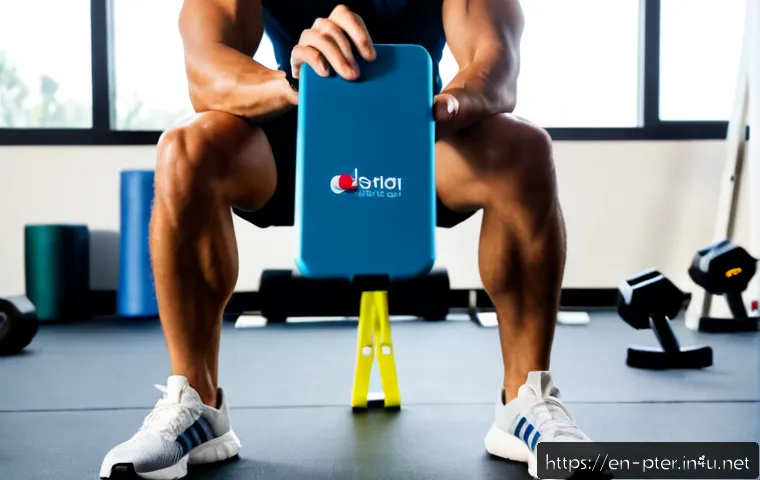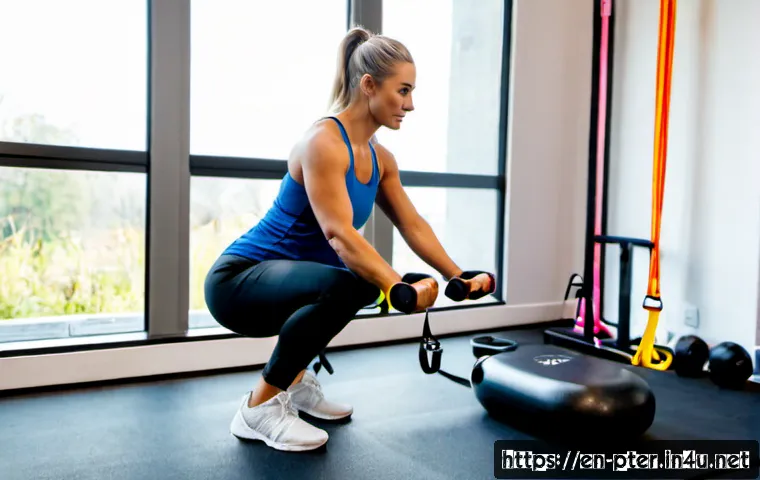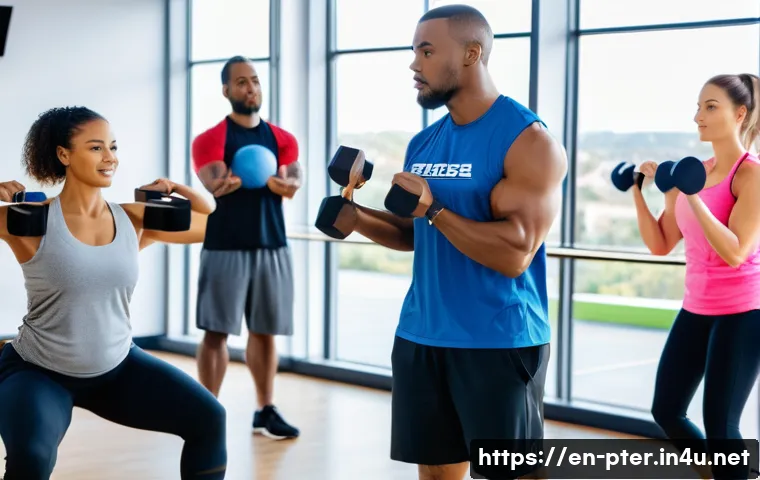
So, you’re gearing up for the Personal Trainer practical exam, huh? I remember that feeling – a mix of excitement and sheer panic! From my experience, it’s not just about knowing the exercises, it’s about projecting confidence and actually connecting with your “client.” The fitness industry is constantly evolving, with trends like functional training and mindfulness-based movement gaining serious traction.
Examiners are looking for trainers who are not only knowledgeable but also adaptable and empathetic. Plus, with the rise of AI-powered fitness apps, demonstrating genuine human interaction is more crucial than ever.
Let’s dive deeper and see how you can ace that practical exam!
Alright, let’s get you prepped for that practical exam!
Master the Art of Client Interaction
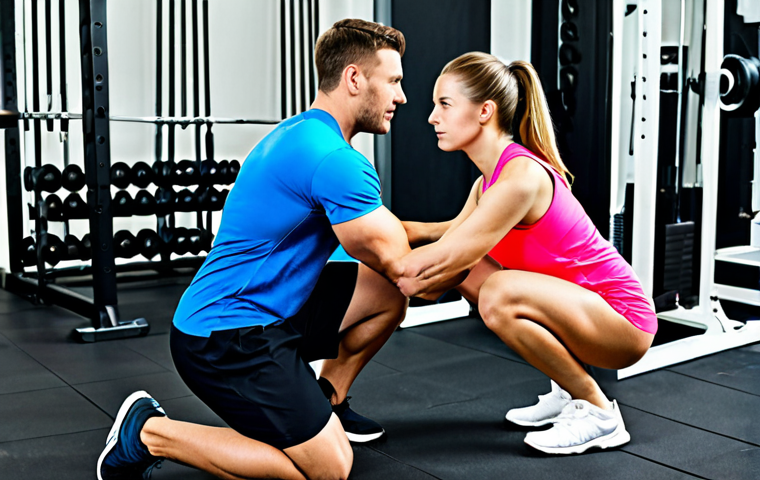
1. Nail the Initial Consultation
From my experience, this is where you set the tone. Don’t just fire off questions from a form. Really listen!
I once had a client who revealed during the consultation that she was recovering from an eating disorder. Had I not been paying attention, I would have missed a crucial piece of information that completely shaped our training approach.
Ask open-ended questions like, “What does a successful workout look like for you?” or “What are your biggest obstacles to reaching your fitness goals?”.
This shows you care and helps you tailor a program that resonates with them on a personal level. Remember, it’s not just about fitness; it’s about building trust and understanding.
It’s about making them feel heard and seen. Imagine trying to train someone with knee problems without knowing it – disaster! Actively listen, maintain eye contact, and show genuine empathy.
2. Project Confidence, Even When You’re Sweating
Okay, even experienced trainers get nervous during practicals. The key is to fake it ’til you make it. I remember one exam where I completely blanked on the proper cue for a deadlift.
Instead of panicking, I took a deep breath, asked my “client” to pause, and said something like, “Let’s just tweak that form a bit for better engagement.” It bought me time to recall the correct cue, and I ended up passing with flying colors.
Body language is huge. Stand tall, make eye contact, and speak clearly. Even if you’re unsure, project an air of competence.
Use positive reinforcement and encouragement. A simple “Great job!” or “You’re doing awesome!” can go a long way in boosting your client’s confidence and motivation.
And remember to smile! A genuine smile can instantly put your client at ease.
Crafting a Personalized Workout Plan
1. Beyond the Generic: Tailor to the Individual
Forget cookie-cutter routines! The examiner wants to see you can adapt to individual needs. I once saw a candidate fail because they used the exact same workout for a “client” with a shoulder injury as they did for a seemingly healthy individual.
It was a red flag. Before the exam, carefully assess your “client’s” limitations, fitness level, and goals. Are they training for a marathon?
Do they have any joint pain? Do they want to lose weight or build muscle? Use this information to create a workout that is safe, effective, and enjoyable for them.
Focus on proper form and technique, and don’t be afraid to modify exercises as needed. Remember, it’s not about pushing your client to their limits, it’s about helping them progress safely and sustainably.
And it’s also not about showing off your knowledge. It’s about the client’s individual journey and working with them to achieve their personal fitness goals.
2. Explain the “Why” Behind the Exercises
Clients are more likely to stick with a program if they understand the purpose behind it. Don’t just tell them to do squats; explain how squats strengthen their legs, improve their balance, and help them perform everyday activities with ease.
Use clear and concise language, avoiding technical jargon that might confuse them. Connect the exercises to their goals and show them how each movement contributes to their overall progress.
This will not only increase their motivation but also empower them to take ownership of their fitness journey. It makes them active participants rather than passive followers.
I used to just reel off instructions, but when I started explaining the benefits, engagement soared!
3. Progressive Overload: The Key to Long-Term Results
Show the examiner you understand the principle of progressive overload. Explain how you would gradually increase the intensity, duration, or frequency of the workouts over time to challenge your client and help them continue to make progress.
Explain that there is no need to make this huge, dramatic leaps. Small, incremental improvements over time will yield the best long-term results. This could involve increasing the weight, reps, sets, or decreasing rest time.
However, emphasize the importance of listening to your client’s body and avoiding overtraining. Progression should be gradual and sustainable, taking into account their individual needs and limitations.
I always tell my clients, “We’re aiming for progress, not perfection.”
Demonstrating Exercise Expertise
1. Master the Fundamentals
Seriously, perfect your form on basic exercises like squats, lunges, push-ups, rows, and planks. These are the building blocks of any good fitness program.
The examiner will be looking for proper technique, alignment, and control. Practice in front of a mirror or record yourself to identify any areas for improvement.
Pay attention to your posture, breathing, and core engagement. Remember, it’s not about lifting heavy weights, it’s about performing the exercises correctly and safely.
I know it sounds obvious, but I’ve seen people fail simply because their squat form was atrocious. Focus on quality over quantity, and make sure you can confidently demonstrate and explain the proper technique for each exercise.
2. Cueing Like a Pro
This is where your communication skills come into play. Use clear, concise, and specific cues to guide your client through each exercise. For example, instead of saying “Keep your back straight,” try “Engage your core and maintain a neutral spine.” Use visual, verbal, and tactile cues to help them understand and execute the movements correctly.
Pay attention to their body language and adjust your cues accordingly. Some clients respond better to visual cues, while others prefer verbal or tactile cues.
Be adaptable and use a variety of cueing techniques to ensure they understand what you’re asking them to do. I have even seen successful trainers use analogies to clarify things.
3. Offer Modifications and Progressions
Show the examiner you can adapt exercises to different fitness levels. Can you regress a push-up to a wall push-up or progress it to a decline push-up?
Can you modify a squat to a box squat or progress it to a jump squat? Demonstrating your ability to modify and progress exercises will show the examiner you can meet your client where they are and help them progress safely and effectively.
I always make sure to have a few modifications and progressions in mind for each exercise before the exam. This shows the examiner you’re prepared and can think on your feet.
It’s not about throwing in the most complicated moves; it’s about showing adaptability.
Understanding Anatomy and Physiology
1. Know Your Muscles
You don’t need to be a walking anatomy textbook, but you should have a solid understanding of the major muscle groups and their functions. The examiner might ask you which muscles are activated during a particular exercise.
For example, knowing that squats primarily target the quadriceps, hamstrings, and glutes is essential. Understanding the relationship between muscles and movement will help you design effective workouts and provide your clients with accurate information.
Trust me, there’s nothing worse than a trainer who can’t explain which muscles they’re working! It undermines your credibility and makes you look unprepared.
2. Explain the Benefits of Exercise on the Body
Go beyond the surface level and explain how exercise affects the cardiovascular system, respiratory system, and musculoskeletal system. Explain how regular exercise can lower blood pressure, improve cholesterol levels, increase bone density, and boost the immune system.
This will show the examiner you understand the holistic benefits of exercise and can communicate these benefits to your clients in a way that resonates with them.
It’s not just about aesthetics; it’s about overall health and well-being. I often share personal anecdotes about how exercise has improved my own health and well-being.
This makes the information more relatable and impactful.
Safety First!
| Aspect | Importance | Examples |
|———————|—————————————————————————————————————-|——————————————————————————————————————————————-|
| Proper Form | Prevents injuries and ensures exercises target the correct muscles.
| Maintaining a neutral spine during squats, keeping elbows aligned during push-ups. |
| Warm-Up & Cool-Down | Prepares the body for exercise and helps prevent muscle soreness.
| Dynamic stretching before a workout, static stretching after a workout. |
| Spotting Techniques | Essential for exercises like bench press and squats to prevent accidents.
| Using a proper grip, communicating with the lifter, knowing when to intervene. |
| First Aid Knowledge | Being able to handle minor injuries like sprains and strains.
| Knowing how to apply ice, elevate the injured area, and provide basic first aid. |
| Emergency Procedures| Knowing what to do in case of a serious medical emergency.
| Having a plan in place, knowing how to call for help, being certified in CPR and first aid. |
| Equipment Safety | Ensuring equipment is in good working order and used correctly.
| Checking for loose weights, inspecting equipment for damage, demonstrating proper usage. |
| Modifications | Adapting exercises to accommodate individual limitations and injuries.
| Offering alternative exercises, adjusting the range of motion, using lighter weights. |
| Communication | Clearly explaining exercises and providing feedback.
| Using clear and concise language, asking if the client is experiencing pain, encouraging and motivating. |
Showcasing Professionalism
1. Dress the Part
This might sound trivial, but it matters. Wear clean, professional workout attire. Avoid anything too revealing or distracting.
The examiner wants to see you take the exam seriously. I always opt for comfortable but presentable athletic wear. Think clean sneakers, fitted workout pants, and a professional-looking top.
It sends the message that you’re prepared and respect the process. You should look like a trainer who is ready to train clients.
2. Maintain Eye Contact and a Positive Attitude
Be enthusiastic and engaging. Show the examiner you’re passionate about fitness and genuinely enjoy working with people. Smile, make eye contact, and use positive reinforcement.
Even if you’re nervous, try to project an air of confidence and professionalism. Remember, you’re not just being evaluated on your knowledge and skills; you’re also being evaluated on your personality and ability to connect with clients.
3. Ask Questions
Don’t be afraid to ask clarifying questions. If you’re unsure about something, it’s better to ask for clarification than to make a mistake. This shows the examiner you’re attentive, engaged, and willing to learn.
However, be mindful of the types of questions you ask. Avoid asking questions that are already answered in the instructions or that demonstrate a lack of basic knowledge.
Focus on asking questions that are relevant to the scenario and show your ability to think critically. It also indicates that you want to do the best possible job.
Remember, the Personal Trainer practical exam is not just about demonstrating your knowledge and skills; it’s about showcasing your ability to connect with clients, motivate them, and help them achieve their fitness goals.
So, relax, be yourself, and let your passion for fitness shine through! You’ve got this!
Wrapping Up
So, there you have it! Ace-ing your personal trainer practical exam is a mix of knowledge, skill, and a whole lot of genuine human interaction. Remember to breathe, listen, and show them that you’re not just a trainer, you’re a partner in their fitness journey.
Go in there confident, prepared, and ready to make a difference!
You’ve put in the work, now it’s time to shine.
Best of luck!
Handy Tidbits to Keep in Your Back Pocket
1. Certification Matters: Make sure your CPR/AED certification is current. Many gyms require it, and it shows you prioritize client safety.
2. Insurance is Key: Invest in professional liability insurance. It protects you in case of accidents or injuries during training sessions. A good policy can run you around $150-$300 per year, but it’s worth it for the peace of mind.
3. Continuing Education is Crucial: The fitness industry is constantly evolving. Stay updated on the latest research and trends by attending workshops, conferences, and online courses. Many certifications require continuing education units (CEUs) to maintain your credentials.
4. Networking is Powerful: Connect with other fitness professionals in your area. Attend local fitness events, join online forums, and build relationships with gym owners and managers. Networking can lead to job opportunities, referrals, and valuable insights.
5. Social Media Savvy: Use social media to showcase your expertise, share valuable content, and connect with potential clients. Post informative videos, share client testimonials, and engage with your followers. Think of platforms like Instagram and Facebook as your digital business card.
Key Takeaways
Prioritize Client Safety: Always err on the side of caution and prioritize your client’s safety above all else.
Effective Communication: Clear and concise communication is vital for building trust and guiding clients effectively.
Individualized Approach: Recognize that every client is unique and requires a personalized approach to achieve their fitness goals.
Professional Demeanor: Maintain a professional demeanor at all times, demonstrating respect, empathy, and a genuine interest in your client’s well-being.
Continuous Learning: Stay updated on the latest fitness trends and research to provide your clients with the best possible training experience.
Frequently Asked Questions (FAQ) 📖
Q: I’m totally blanking on what to do when the “client” tells me they have a bad knee.
A: ny quick tips? A1: Oh man, the bad knee scenario! Happens all the time.
First, LISTEN. Like, really listen. Ask them to describe the pain – where is it, what makes it worse, what feels better?
Then, modify, modify, modify! Swap out squats for wall sits, lunges for step-ups, and ALWAYS offer regressions. Show them you’re thinking about their specific needs, not just running them through a generic workout.
My favorite trick is to use resistance bands strategically to take pressure off the joint. And for goodness sake, document everything! If you’re being assessed, write down the modification and why you did it.
Shows you’re paying attention and thinking critically.
Q: What’s the best way to handle a super chatty client during the practical exam? I’m worried about running out of time.
A: Ah, the talkative client! I get it. Time is of the essence.
Politely acknowledge their chatter, but steer the conversation back to the workout. Something like, “That’s interesting, [client name], but let’s focus on this exercise so we can get the most out of it.” Or, use exercise cues as conversation starters – “Focus on your breathing – inhale as you lower, exhale as you push up.
How does that feel?” This keeps them engaged and gives you a chance to assess their form. If they’re REALLY persistent, a gentle, “We can chat more after this set” can do the trick.
Remember, it’s about balancing rapport with efficiency.
Q: Besides knowing the exercises, what are some less obvious things examiners look for? I want to stand out!
A: You’re on the right track! It’s not JUST about perfect form (though that’s important!). Examiners are looking for a few key things beyond the basics.
First, your ability to build rapport. Smile, make eye contact, use their name, and genuinely listen. Second, your coaching style.
Are you motivating them? Are you providing clear, concise cues? Are you adapting your communication to their needs?
And finally, your professionalism. Are you dressed appropriately? Are you punctual?
Are you organized? Think of it like a performance. You’re not just a trainer; you’re an entertainer, a motivator, and a healthcare professional all rolled into one.
Project confidence, even if you’re nervous, and let your personality shine through!
📚 References
Wikipedia Encyclopedia
구글 검색 결과
구글 검색 결과
구글 검색 결과
구글 검색 결과
구글 검색 결과