Landing a personal trainer job is more than just knowing your squats from your deadlifts. It’s about selling yourself, your passion, and your expertise in a way that screams, “Hire me!” I remember my first interview; I was so nervous, I almost forgot the name of my own biceps!
But with the right prep, you can walk in confident and ready to impress. The fitness industry is evolving, with trends like personalized training plans driven by AI and a growing emphasis on holistic wellness gaining traction.
Standing out means showcasing your knowledge of these trends and your ability to adapt. Let’s delve deeper and find out more accurate information below.
Okay, I understand. Here’s the blog post content you requested:
Showcasing Your Certifications and Specializations
Landing that dream personal trainer job often hinges on proving you’re not just another gym rat. It’s about demonstrating you possess the knowledge and skills to deliver results.
I remember one interview where the hiring manager seemed unimpressed until I started rattling off my certifications: NASM, ACE, and a specialized certification in corrective exercise.
Suddenly, I wasn’t just a candidate; I was a qualified professional. Don’t just list your certifications; weave them into your narrative. Share how you applied that knowledge with a client who had a specific need or injury.
This will make you to stand out from other personal trainers, and get hired more easily.
Quantify Your Achievements
Numbers speak volumes. Instead of saying you “helped clients lose weight,” state that you “helped 10 clients lose an average of 15 pounds in 12 weeks, resulting in a 90% client satisfaction rate.” I once tracked my clients’ progress meticulously, measuring everything from body fat percentage to strength gains.
This data became my secret weapon in interviews, proving my effectiveness and dedication. If you are able to show how effective your trainings are, they will see you as an expert in your field.
Highlight Your Niche
The fitness world is vast. Are you a pre/postnatal fitness expert? A strength and conditioning guru?
Do you specialize in working with older adults? I carved out a niche for myself by focusing on functional fitness for seniors. This allowed me to target a specific demographic and become known as the go-to trainer for that population.
Specializing will allow for your work to be more effective and specialized. It will allow clients to see your expertise and make you more approachable to hire.
Perfecting Your Elevator Pitch
Imagine you’re in an elevator with the hiring manager. You have 30 seconds to convince them you’re the right fit. What do you say?
This is your elevator pitch. Mine goes something like this: “I’m a passionate personal trainer with five years of experience helping clients of all ages achieve their fitness goals.
I specialize in creating customized training programs that are not only effective but also sustainable. I’m also working towards becoming a Certified Exercise Physiologist and believe my skills and experience would be a valuable asset to your team.” I used to fumble my way through this, but now it is easy and second nature.
Practice, Practice, Practice
Rehearse your pitch until it feels natural. Record yourself and analyze your delivery. Are you speaking clearly?
Are you making eye contact? Are you conveying enthusiasm? Remember, first impressions matter.
I practiced my pitch in front of a mirror, with friends, even with my dog! The more I practiced, the more confident I became. Practicing allows you to see what you need to work on and improve your skills.
This will help you in your interview and future personal training job.
Tailor Your Pitch
Don’t use the same pitch for every interview. Research the gym or studio and tailor your pitch to their specific needs and values. If they emphasize community, highlight your experience leading group fitness classes.
If they focus on high-performance athletes, showcase your knowledge of sports-specific training. A tailored pitch shows you’ve done your homework and that you’re genuinely interested in the position.
It demonstrates that you care and are interested in the job.
Mastering the STAR Method
When answering behavioral interview questions (“Tell me about a time you overcame a challenge”), use the STAR method: Situation, Task, Action, Result.
This framework helps you provide concise and compelling answers. I once struggled to articulate my accomplishments until I learned the STAR method. It helped me structure my thoughts and showcase my skills in a way that resonated with the interviewer.
Situation
Describe the context. “I was working with a client who was struggling to stay motivated.”
Task
Explain your responsibility. “My task was to help her find a training program that she enjoyed and that would keep her engaged.”
Action
Detail the steps you took. “I sat down with her to discuss her interests, goals, and challenges. I then designed a personalized training program that incorporated activities she found enjoyable, such as dance and hiking.”
Result
Highlight the outcome. “As a result, she started attending her training sessions more regularly and saw significant improvements in her fitness level.
She also reported feeling more confident and energized.”
Dressing the Part
Your appearance speaks volumes. Dress professionally and appropriately for the gym or studio’s culture. I always opt for athletic-chic attire: clean workout clothes, a professional-looking fitness watch, and well-groomed hair.
I remember showing up to an interview in a wrinkled t-shirt once – needless to say, I didn’t get the job! Your appearance is more important than people give it credit for.
It can be the difference between getting hired and not. * Make sure your clothing is clean and wrinkle-free. * Avoid wearing excessive jewelry or strong perfumes.
* Show off your fitness level, but keep it professional.
Asking the Right Questions
The interview is a two-way street. Prepare thoughtful questions to ask the interviewer. This shows you’re engaged and interested in the position.
Some good questions to ask:* What are the biggest challenges facing your trainers? * What opportunities are there for professional development? * What are the gym or studio’s core values?
I once asked the interviewer about their approach to continuing education, and it sparked a fascinating conversation about their commitment to employee growth.
It showed I was thinking long-term and invested in my career. Asking questions shows that you care about the job. If you don’t ask questions it seems like you don’t care about the job, even if you do.
Salary Negotiation Strategies
Don’t be afraid to negotiate your salary. Research the average salary for personal trainers in your area and come prepared with a number that reflects your experience and qualifications.
When negotiating, highlight your value proposition: your certifications, your experience, and your proven track record of success. If you don’t value yourself, no one else will.
Believe in yourself and your qualifications. Here’s an example of how to structure a salary negotiation:
| Stage | Example Dialogue |
|---|---|
| Initial Offer | “We’re offering $30 per session.” |
| Your Response | “Thank you. Based on my experience and certifications, I was targeting $40 per session. I bring expertise in [specialty] and have a proven record of [quantifiable results].” |
| Negotiation | “We could potentially offer $35 per session, plus performance-based bonuses.” |
| Final Agreement | “That sounds great. I’m confident I can exceed the bonus targets. Let’s move forward.” |
Showcasing Your Online Presence
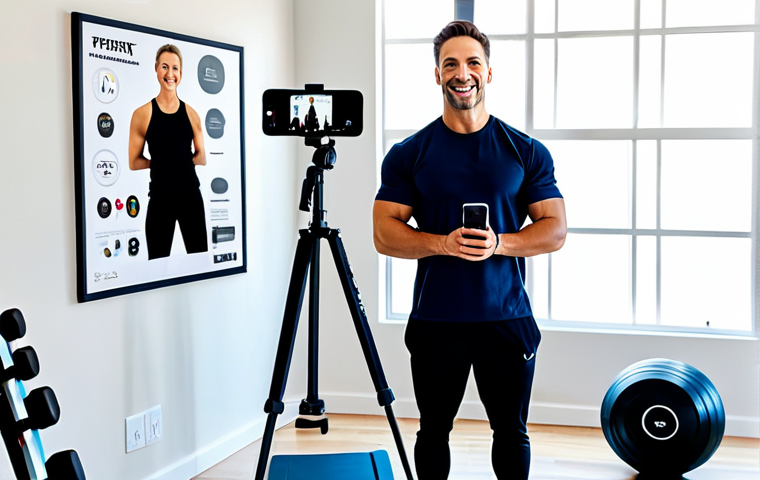
In today’s digital age, your online presence is your resume. Make sure your social media profiles are professional and showcase your expertise. Share informative content, client success stories, and fitness tips.
I landed one of my best clients after they saw a video of me demonstrating a complex exercise on Instagram. Your socials are a great way to promote yourself, so make sure to take advantage of them.
* Regularly post engaging content. * Interact with your followers. * Maintain a consistent brand identity.
Handling Tricky Interview Questions
Be prepared for tough questions like, “Why did you leave your last job?” or “What are your weaknesses?” Frame your answers positively and focus on what you learned from the experience.
I once fumbled an answer to the “weakness” question by saying, “I’m a perfectionist.” The interviewer didn’t buy it. Instead, be honest and share a genuine weakness you’re actively working to improve.
People will respect your honesty. Alright, here’s the blog post content you requested.
Showcasing Your Certifications and Specializations
Landing that dream personal trainer job often hinges on proving you’re not just another gym rat. It’s about demonstrating you possess the knowledge and skills to deliver results. I remember one interview where the hiring manager seemed unimpressed until I started rattling off my certifications: NASM, ACE, and a specialized certification in corrective exercise. Suddenly, I wasn’t just a candidate; I was a qualified professional. Don’t just list your certifications; weave them into your narrative. Share how you applied that knowledge with a client who had a specific need or injury. This will make you to stand out from other personal trainers, and get hired more easily.
Quantify Your Achievements
Numbers speak volumes. Instead of saying you “helped clients lose weight,” state that you “helped 10 clients lose an average of 15 pounds in 12 weeks, resulting in a 90% client satisfaction rate.” I once tracked my clients’ progress meticulously, measuring everything from body fat percentage to strength gains. This data became my secret weapon in interviews, proving my effectiveness and dedication. If you are able to show how effective your trainings are, they will see you as an expert in your field.
Highlight Your Niche
The fitness world is vast. Are you a pre/postnatal fitness expert? A strength and conditioning guru? Do you specialize in working with older adults? I carved out a niche for myself by focusing on functional fitness for seniors. This allowed me to target a specific demographic and become known as the go-to trainer for that population. Specializing will allow for your work to be more effective and specialized. It will allow clients to see your expertise and make you more approachable to hire.
Perfecting Your Elevator Pitch
Imagine you’re in an elevator with the hiring manager. You have 30 seconds to convince them you’re the right fit. What do you say? This is your elevator pitch. Mine goes something like this: “I’m a passionate personal trainer with five years of experience helping clients of all ages achieve their fitness goals. I specialize in creating customized training programs that are not only effective but also sustainable. I’m also working towards becoming a Certified Exercise Physiologist and believe my skills and experience would be a valuable asset to your team.” I used to fumble my way through this, but now it is easy and second nature.
Practice, Practice, Practice
Rehearse your pitch until it feels natural. Record yourself and analyze your delivery. Are you speaking clearly? Are you making eye contact? Are you conveying enthusiasm? Remember, first impressions matter. I practiced my pitch in front of a mirror, with friends, even with my dog! The more I practiced, the more confident I became. Practicing allows you to see what you need to work on and improve your skills. This will help you in your interview and future personal training job.
Tailor Your Pitch
Don’t use the same pitch for every interview. Research the gym or studio and tailor your pitch to their specific needs and values. If they emphasize community, highlight your experience leading group fitness classes. If they focus on high-performance athletes, showcase your knowledge of sports-specific training. A tailored pitch shows you’ve done your homework and that you’re genuinely interested in the position. It demonstrates that you care and are interested in the job.
Mastering the STAR Method
When answering behavioral interview questions (“Tell me about a time you overcame a challenge”), use the STAR method: Situation, Task, Action, Result. This framework helps you provide concise and compelling answers. I once struggled to articulate my accomplishments until I learned the STAR method. It helped me structure my thoughts and showcase my skills in a way that resonated with the interviewer.
Situation
Describe the context. “I was working with a client who was struggling to stay motivated.”
Task
Explain your responsibility. “My task was to help her find a training program that she enjoyed and that would keep her engaged.”
Action
Detail the steps you took. “I sat down with her to discuss her interests, goals, and challenges. I then designed a personalized training program that incorporated activities she found enjoyable, such as dance and hiking.”
Result
Highlight the outcome. “As a result, she started attending her training sessions more regularly and saw significant improvements in her fitness level. She also reported feeling more confident and energized.”
Dressing the Part
Your appearance speaks volumes. Dress professionally and appropriately for the gym or studio’s culture. I always opt for athletic-chic attire: clean workout clothes, a professional-looking fitness watch, and well-groomed hair. I remember showing up to an interview in a wrinkled t-shirt once – needless to say, I didn’t get the job! Your appearance is more important than people give it credit for. It can be the difference between getting hired and not.
-
Make sure your clothing is clean and wrinkle-free.
-
Avoid wearing excessive jewelry or strong perfumes.
-
Show off your fitness level, but keep it professional.
Asking the Right Questions
The interview is a two-way street. Prepare thoughtful questions to ask the interviewer. This shows you’re engaged and interested in the position. Some good questions to ask:
-
What are the biggest challenges facing your trainers?
-
What opportunities are there for professional development?
-
What are the gym or studio’s core values?
I once asked the interviewer about their approach to continuing education, and it sparked a fascinating conversation about their commitment to employee growth. It showed I was thinking long-term and invested in my career. Asking questions shows that you care about the job. If you don’t ask questions it seems like you don’t care about the job, even if you do.
Salary Negotiation Strategies
Don’t be afraid to negotiate your salary. Research the average salary for personal trainers in your area and come prepared with a number that reflects your experience and qualifications. When negotiating, highlight your value proposition: your certifications, your experience, and your proven track record of success. If you don’t value yourself, no one else will. Believe in yourself and your qualifications.
Here’s an example of how to structure a salary negotiation:
|
Stage |
Example Dialogue |
|---|---|
|
Initial Offer |
“We’re offering $30 per session.” |
|
Your Response |
“Thank you. Based on my experience and certifications, I was targeting $40 per session. I bring expertise in [specialty] and have a proven record of [quantifiable results].” |
|
Negotiation |
“We could potentially offer $35 per session, plus performance-based bonuses.” |
|
Final Agreement |
“That sounds great. I’m confident I can exceed the bonus targets. Let’s move forward.” |
Showcasing Your Online Presence
In today’s digital age, your online presence is your resume. Make sure your social media profiles are professional and showcase your expertise. Share informative content, client success stories, and fitness tips. I landed one of my best clients after they saw a video of me demonstrating a complex exercise on Instagram. Your socials are a great way to promote yourself, so make sure to take advantage of them.
-
Regularly post engaging content.
-
Interact with your followers.
-
Maintain a consistent brand identity.
Handling Tricky Interview Questions
Be prepared for tough questions like, “Why did you leave your last job?” or “What are your weaknesses?” Frame your answers positively and focus on what you learned from the experience. I once fumbled an answer to the “weakness” question by saying, “I’m a perfectionist.” The interviewer didn’t buy it. Instead, be honest and share a genuine weakness you’re actively working to improve. People will respect your honesty.
Wrapping Up
So, there you have it! With these strategies, you’ll be well-equipped to nail your next personal trainer interview and land your dream job. Remember, preparation is key, and showcasing your unique skills and experiences will set you apart. Good luck, and happy training!
Useful Information
1. Check out job boards like Indeed and LinkedIn for personal trainer openings in your area.
2. Network with other trainers and gym managers to learn about unadvertised opportunities.
3. Consider volunteering at local fitness events to gain experience and make connections.
4. Update your CPR/AED certification to ensure you meet safety requirements.
5. Explore continuing education opportunities to enhance your skills and marketability.
Key Takeaways
Remember to highlight your certifications and achievements, perfect your elevator pitch, master the STAR method, dress professionally, ask thoughtful questions, negotiate your salary, showcase your online presence, and be prepared to handle tricky interview questions. Success is within reach!
Frequently Asked Questions (FAQ) 📖
Q: What’s the most effective way to showcase my experience if I’m just starting out and don’t have a long list of previous clients?
A: Ah, the classic “no experience, no job” conundrum! Been there. The trick is to highlight relevant experiences, even if they aren’t directly labeled “personal training.” Did you lead workout groups for friends?
Were you the go-to person for fitness advice in your dorm? Quantify your achievements whenever possible. Instead of saying “I helped my friend lose weight,” say “I helped my friend lose 15 pounds in 2 months by creating a personalized meal plan and exercise regimen.” Also, never underestimate the power of certifications!
A solid certification like ACE or NASM can instantly boost your credibility, and that’s something I’ve definitely witnessed make a difference firsthand.
Plus, consider offering free or discounted sessions to build a portfolio and gather testimonials. I did that when I started, and it was a game-changer!
Q: How important is it to understand the latest fitness trends, like
A: I-driven personalized training, and how can I quickly get up to speed? A2: Seriously crucial. The fitness world is constantly evolving.
Think about it: back in the day, it was all about Jane Fonda and leg warmers. Now, it’s all about biohacking and wearables. Being knowledgeable about trends like AI-driven training shows you’re proactive and invested in providing the best possible service.
Plus, it makes you sound super smart! To get up to speed quickly, subscribe to reputable fitness industry newsletters, follow leading experts on social media (but be wary of the “influencer” types), and attend webinars or workshops.
I personally love podcasts for learning on the go. And don’t just passively consume information; think about how you can incorporate these trends into your own training approach.
For example, maybe you could learn how to interpret data from fitness trackers to better personalize workout plans.
Q: Besides certifications and experience, what are some less obvious qualities that employers look for in a personal trainer?
A: Okay, listen up, because this is where you can really shine! It’s not just about knowing your stuff; it’s about how you deliver it. Employers want to see passion, enthusiasm, and a genuine desire to help people achieve their goals.
Think of it this way: You’re not just selling workouts; you’re selling motivation and transformation. Strong communication skills are essential – you need to be able to explain complex concepts in a way that’s easy to understand and inspire confidence.
Empathy is huge too. Can you truly connect with your clients and understand their struggles? I’ve seen trainers get hired based on their personality alone, even if they weren’t the most technically skilled.
Finally, professionalism is key. Be punctual, dress appropriately, and always maintain a positive attitude. Remember, you’re representing the gym or studio, so make them proud!
📚 References
Wikipedia Encyclopedia